
It has been quite sometime since the last time I witnessed our local Tshechu (religious event). Few months ago I took the time to witness the last day of three days local tshechu. Tshechu as I heard from the legends were organized to let people accumulate merit after long, busy, and tiring and demerit farming works. In the eye of a layman I see tshechu as a time for celebration. The Tshechu that I witnessed is conducted every year in the tenth month of every Bhutanese calendar. Sowing, reaping and collection works of the farmers of the locality comes to the end by the mid of tenth month of the Bhutanese calendar. Recitation of prayers, prostration, lighting of butter lamps, and offering of serkems (alcohol offering), dances and mask dances are some of the major events of the local Tshechu.
As a child of 4 or 5 Tshechus were times for family gathering. Even as I grew to 16 and 17 tshechus were just a local celebration event. I never had second thought and I never took the time to watch it much with curiosity as today. My maternal grandfather was with me and he was teaching me the names of the mask. It is said that we have to know the name of the masks as we will encounter all of them in our afterlife.
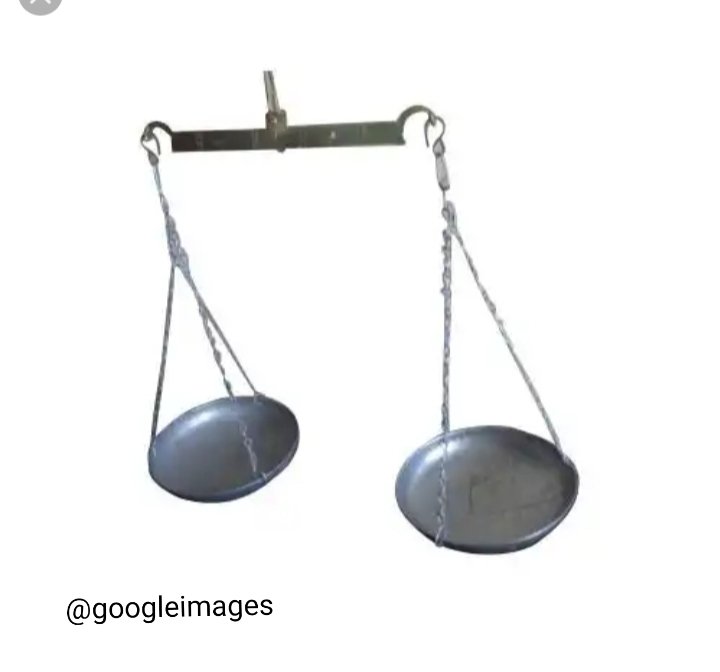
Then there was “Ki Khui Cham”: that is what I call in my personal dictionary (smile). I am familiar with this term because the man yells and cries for help and the tone he makes is “ki khui”. It is the “Bardo” cham wherein a person after his death encounters with the angel of death. He is questioned on good things and bad things done while living. The good and bad deeds are measured. If the good deeds weigh lighter than the bad deeds he is lead to be in the hell and if the bad deeds weigh lighter than the good deeds he/she is lead to be in heaven (Zhingkham). This incident had me thinking how light are my bad deeds? How heavy are my good deeds? How light and heavy are we in our deeds? I am still reflecting on how light and heavy I am in my thoughts, speech and deeds.
P.S: This is merely my wandering thoughts

 Wandering Thoughts